
Featured Exhibitions
Lemon
Rowan Mace
A_Place Gallery
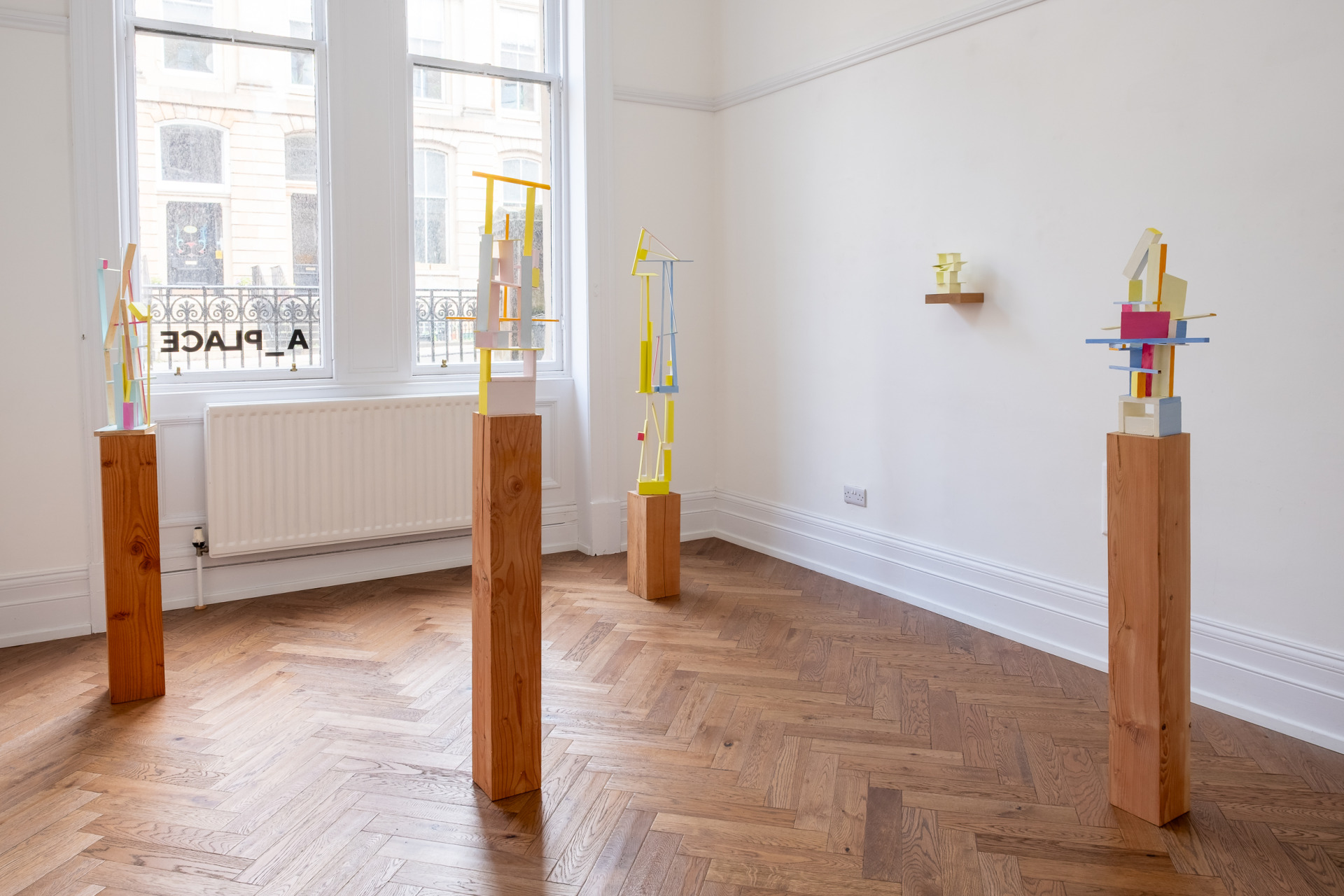
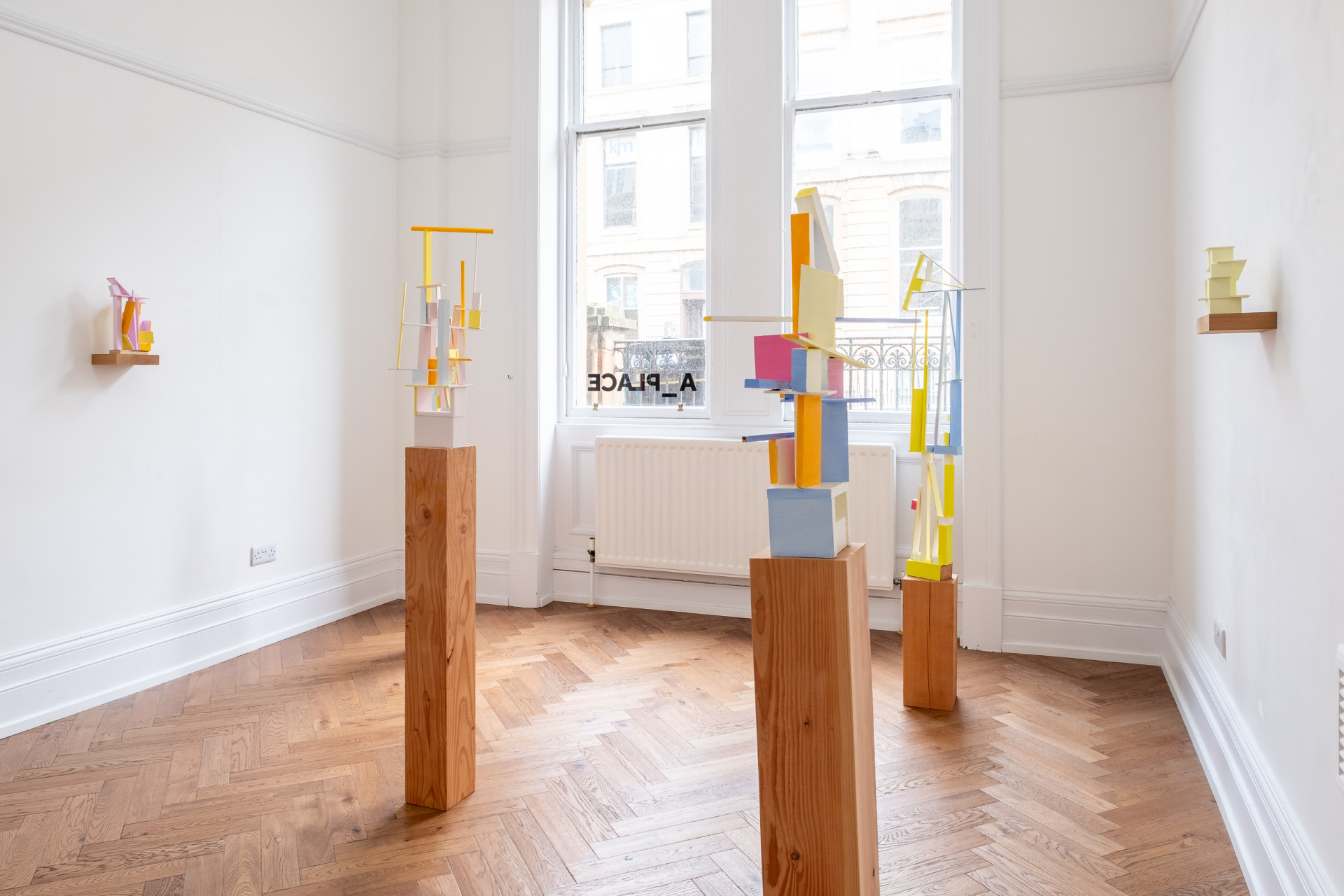
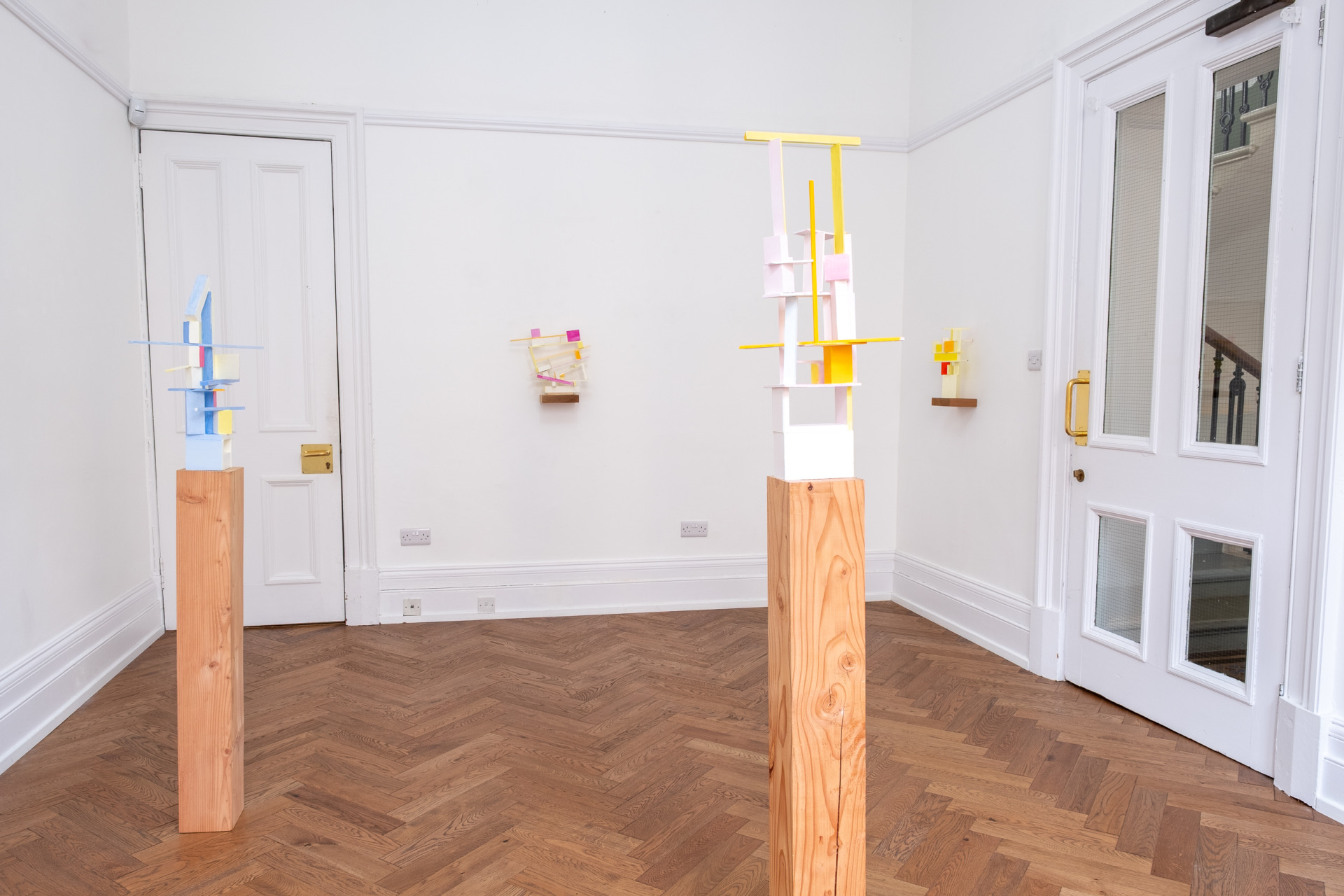
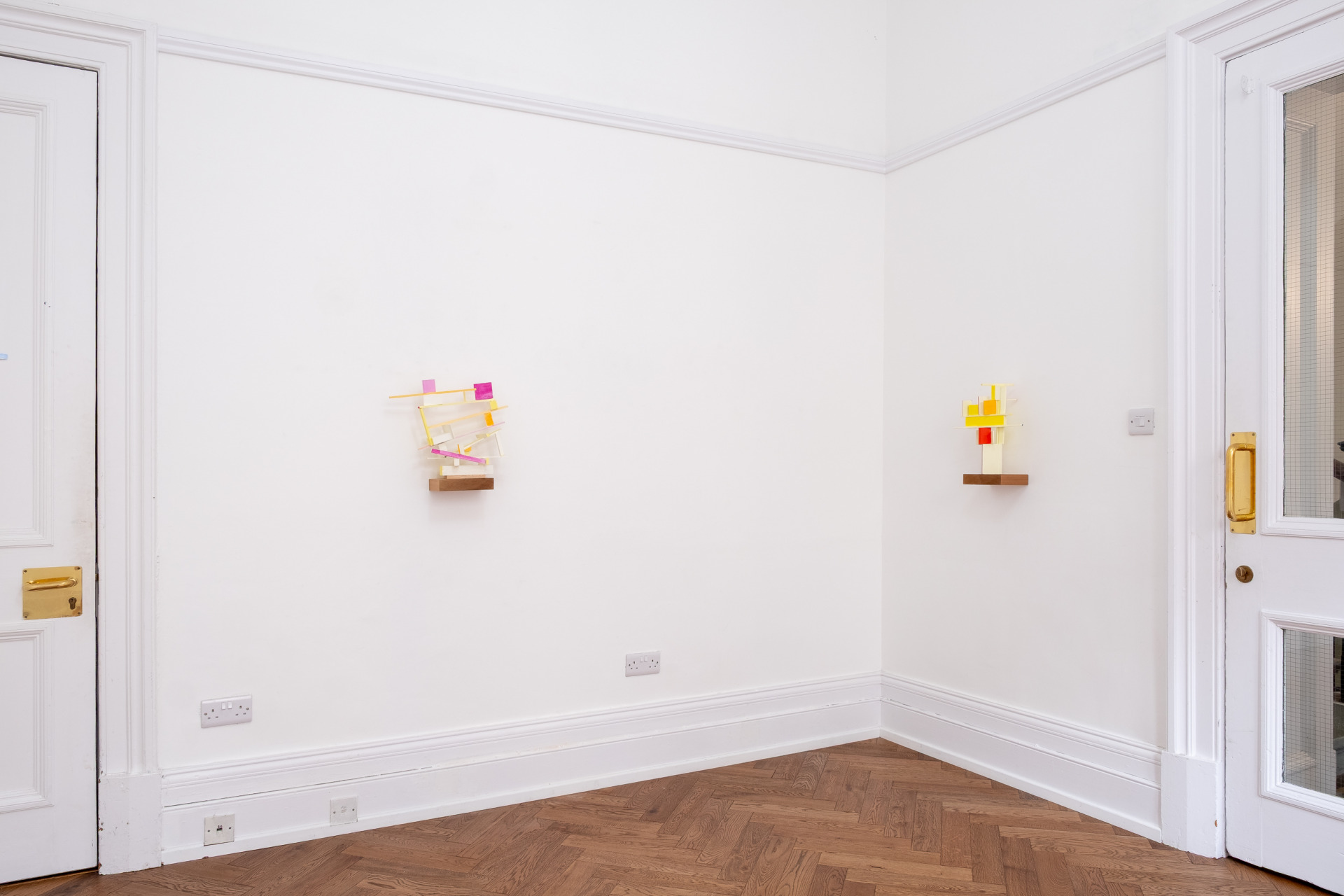
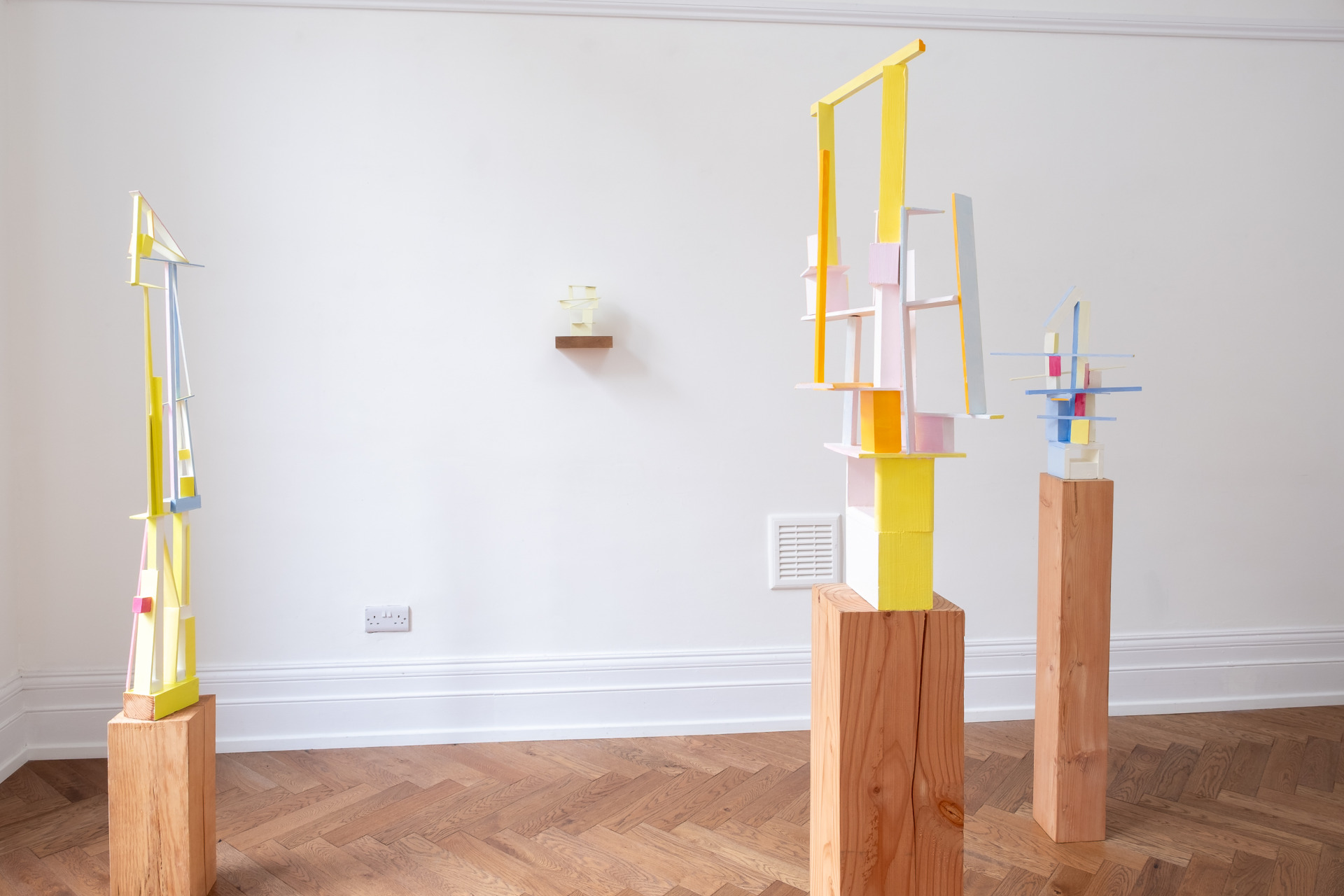
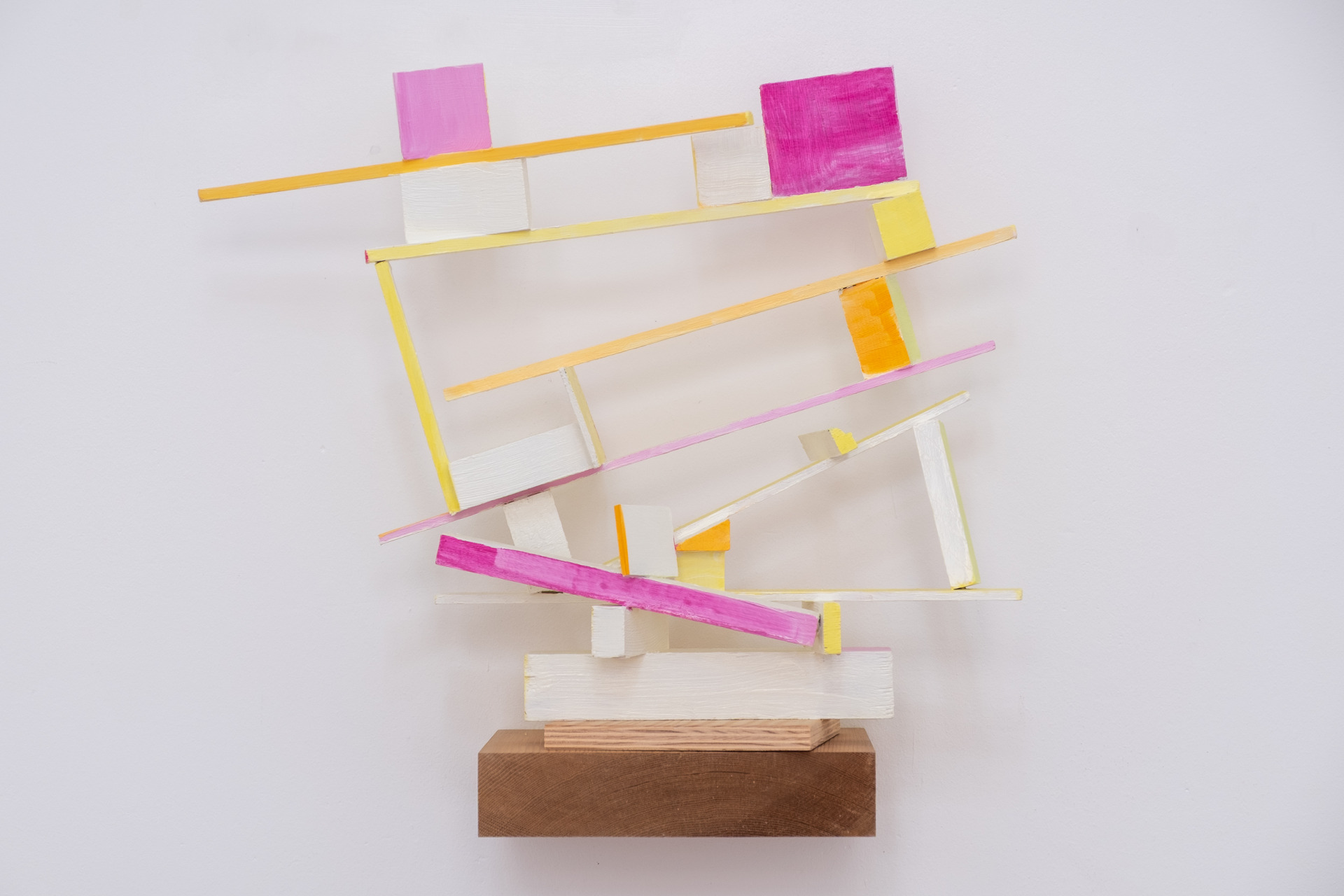
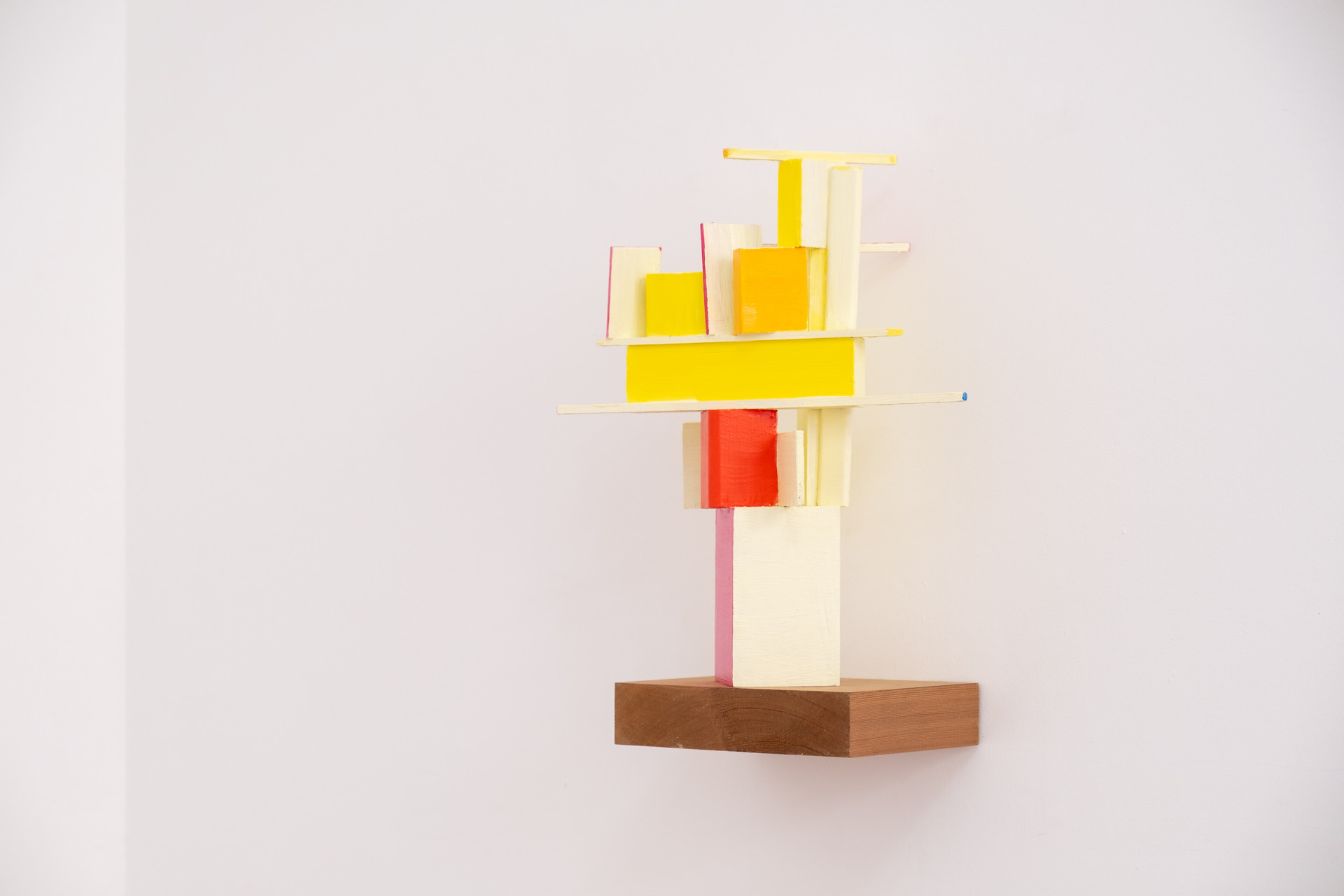
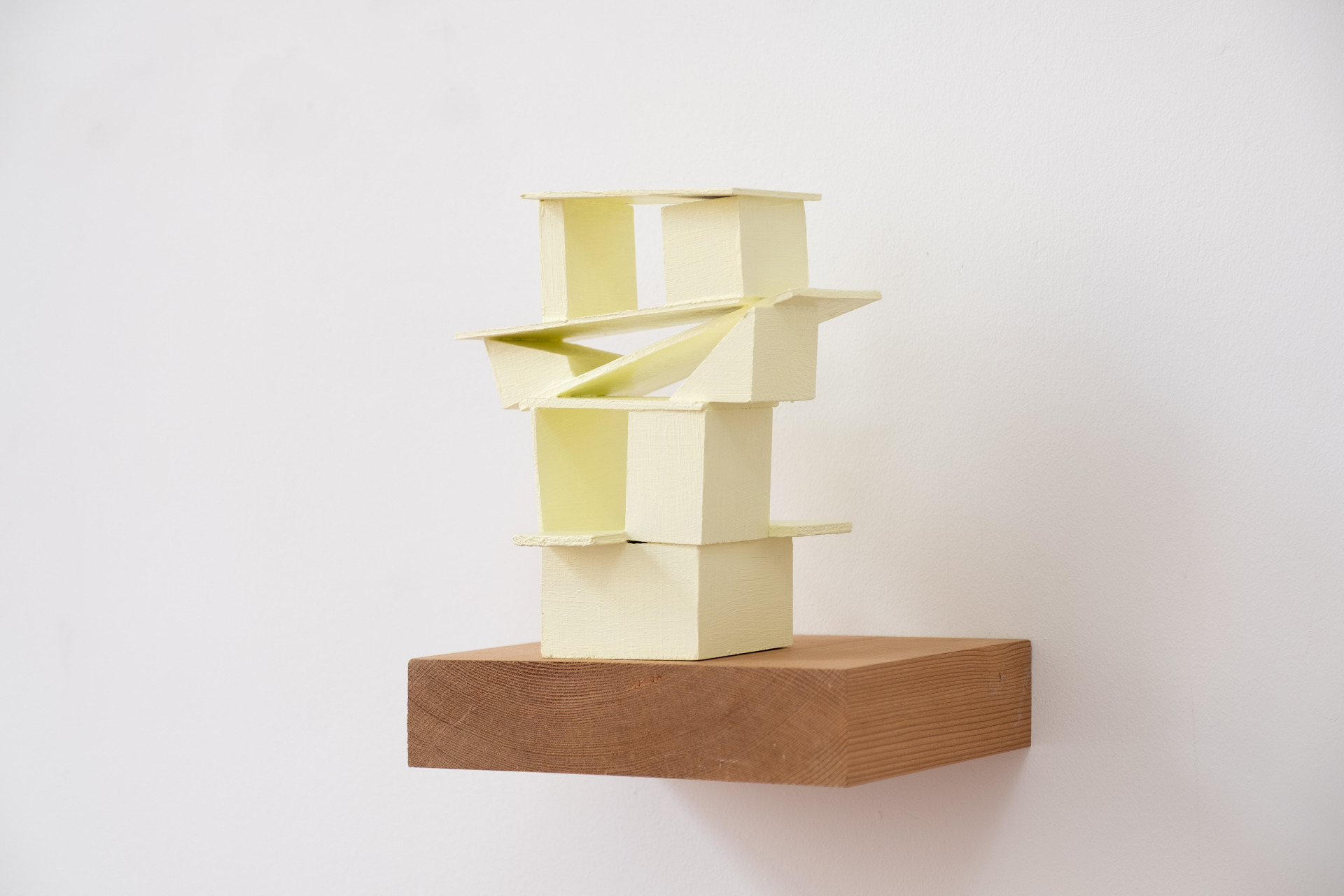
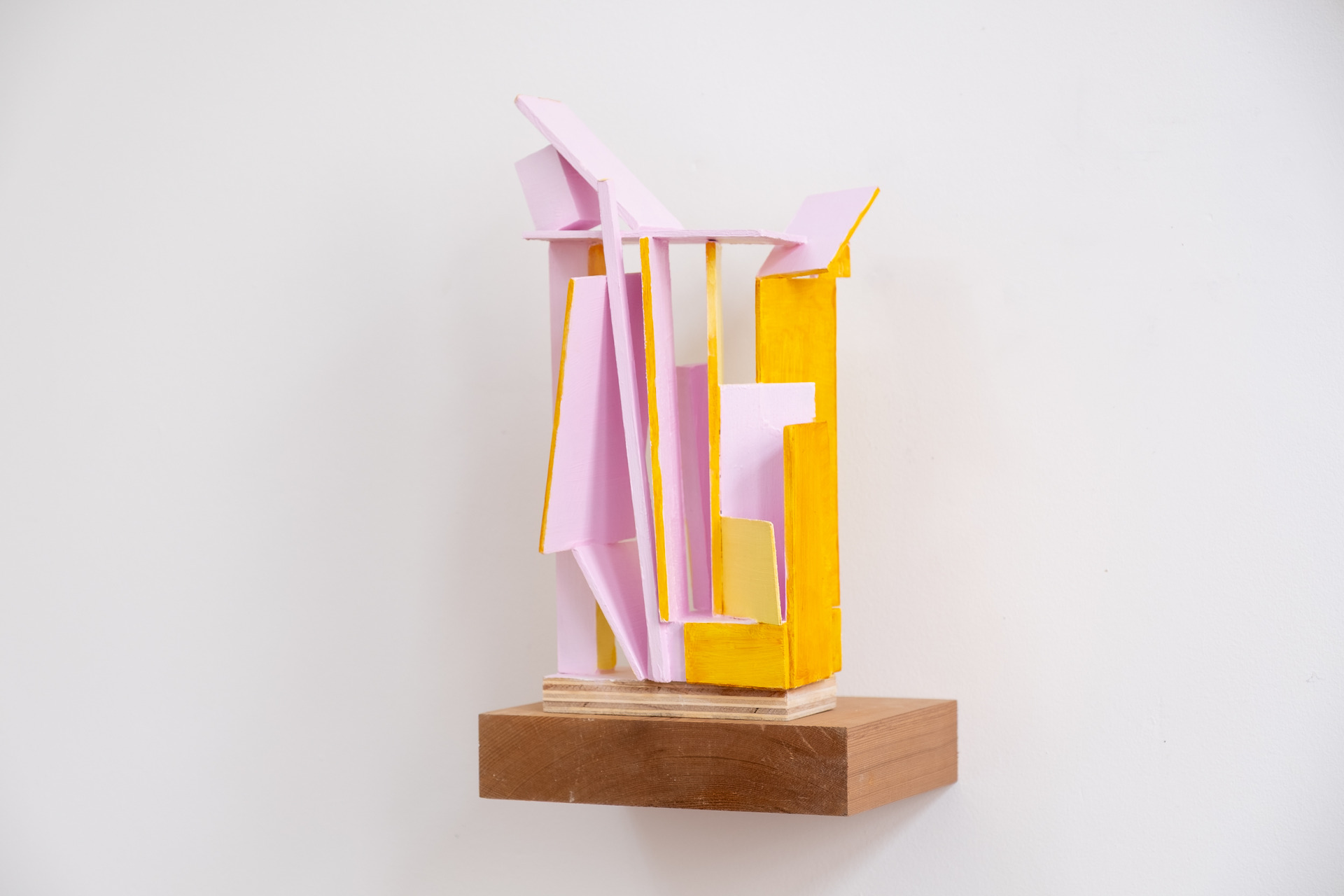
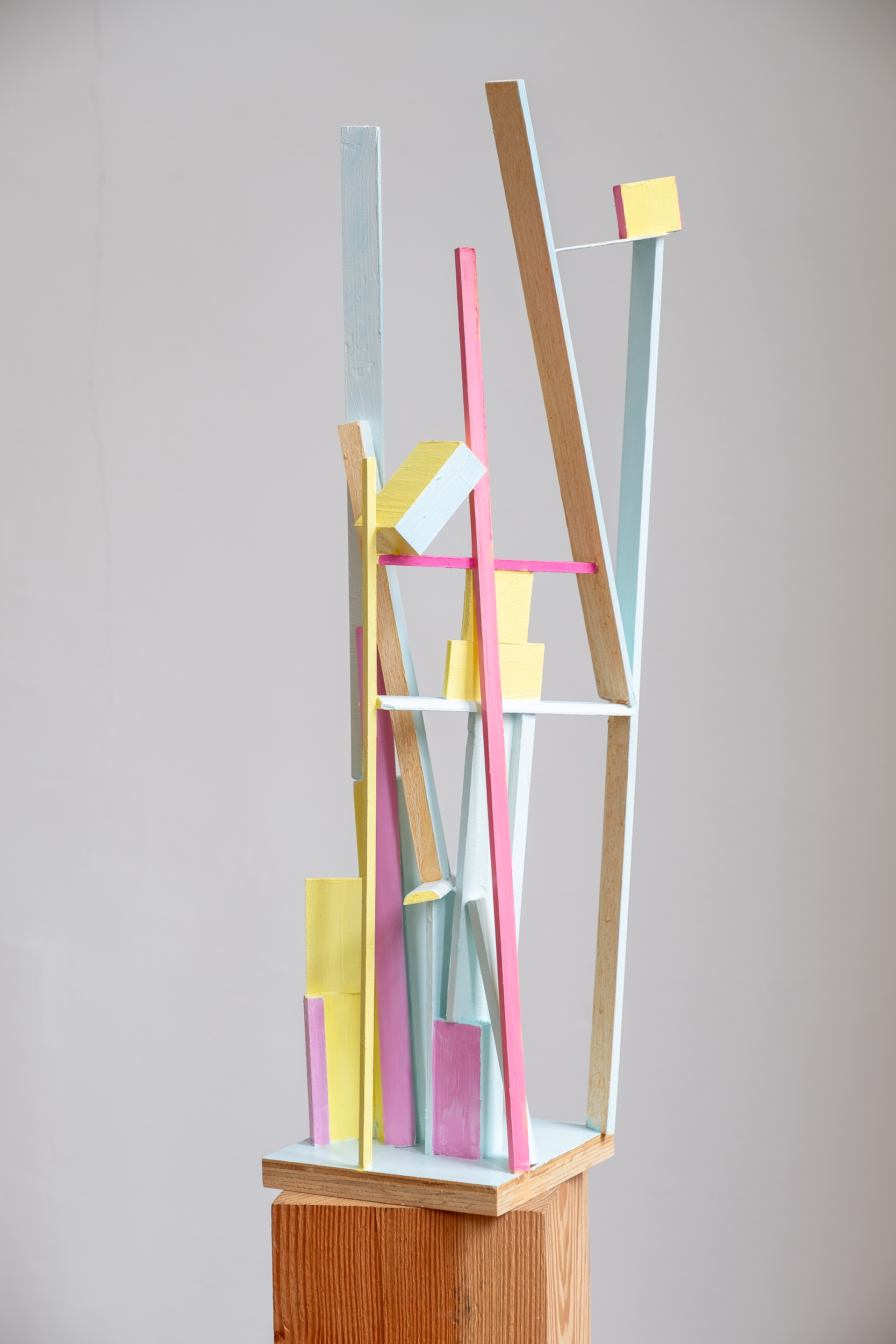
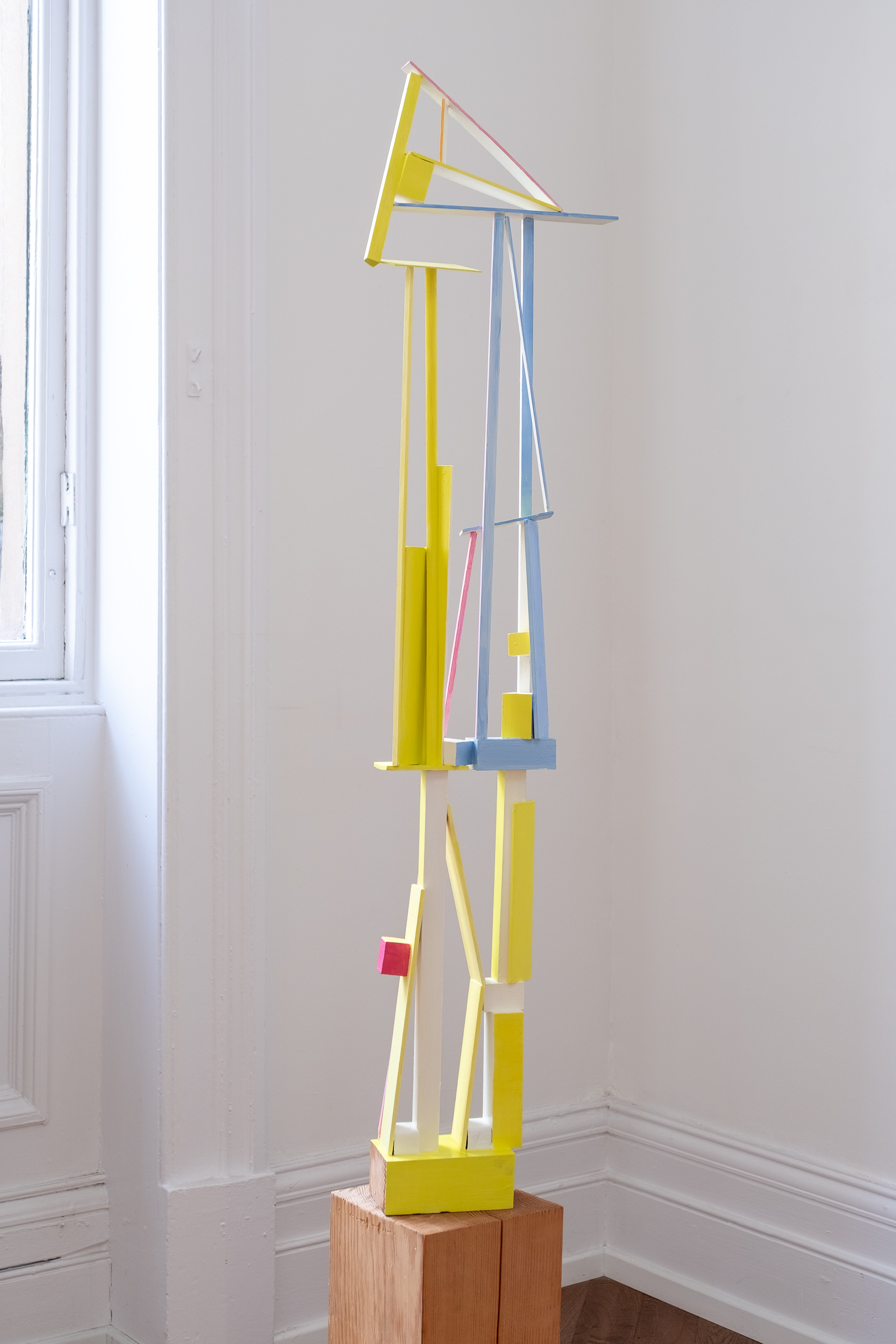
Installation view (all), Lemon, Rowan Mace, A_Place Gallery, 05.06 – 19.06.2026
Lemon
Rowan Mace
A_Place Gallery
05.06 – 19.06.2026
Yes, they are alive and can have those colors,
But I, in my soul, am alive too.
I feel I must sing and dance, to tell
Of this in a way, that knowing you may be drawn to me.
– John Ashbery, A Blessing In Disguise
I am here to select a sculpture by Rowan Mace. I have come to her house on one of the last gasps of warm September days to purchase an artwork, a present to myself from my wife in celebration of our tenth wedding anniversary. My wife’s name is also Rowan.
The spread of available works fills a large table. There are already too many to choose from – you know that feeling that you might never be able to make the right choice? As if that were not enough, Rowan (Mace, not my wife) shows me where the bulk of her work is stored. She opens two large, custom-built cupboards, and a cacophony of sculptures fill my vision. Floor to ceiling of precious line, shape, colour. It is overwhelming.
Rowan leaves me with the work alone for me to have a look. I begin to cry. I can’t remember if I’ve ever been moved to tears by visual art before – certainly music and film – but never a painting or a sculpture. The distinct feeling I remember was that it was all just too much. I was in the presence of a life’s work, a life’s experience, distilled into objects that are quite impossible to fully comprehend; their simplicity is deceptive. I realised being in that room with all those works that I wasn’t alone. Something else was quietly present.
John Ashbery’s 1966 poem, A Blessing In Disguise is a meditation on the possibility of our own being communing with another being. The longing in the human soul to connect with another. The ‘you’ in the poem taking on an almost divine presence, it becomes impossible to differentiate the persons in the verses as they begin to entangle beyond themselves as individuals.
Mace’s sculptures feel like characters. Their particular compositions of shape, weight, density and palette communicating an individual personality. If it is not too much of a stretch I feel as though I could address them – you. They are watching, seeing how you are going to react to their presence. And when exhibited together in a space, their individuality begins to meld, becoming more of a chorus, waiting with bated breath to start singing. Their song is colour and light. For static objects they don’t stay very still, always moving and changing as the light shifts around them. The painted wooden planes and armatures assembled around one another in a way somehow both collapsing in slow motion and perfectly balanced all at the same time.
They call attention to themselves as painted objects, delighting in all the qualities of painterliness (the oiliness of oil paint, ridges and brush-marks, colour creeping round edges). To me, there are passages where I see thin, rectilinear forms like miniature stacked canvases, primed and ready, or stored away to await exhibition. Long thin beams are deconstructed stretcher bars. They are like maquettes of an artist’s studio, exploded, turned inside out and laid bare.
Previously, Mace made box-like sculptures, where the insides where painted brightly, the illumination coming from within, hinted at, hidden. But now they are totally open and available. It is this openness that makes me unable to shake the feeling that I am not really in a room with objects called artworks, but things which carry presence, bathing you in their warmth. Between this, the colours and the architectural spaces they hint at I can’t help but be reminded of many annunciation paintings (I’m thinking of Fra Angelico or Domenico Veneziano). Mary waiting, cloistered within her walls, protected yet not closed off, with apertures here, there, everywhere. A space for meeting to take place. Mary was open to Being, to Spirit. A blessing in disguise.
Somewhere between Renaissance annunciation painting, John Ashbery’s poem, and Rowan Mace’s painting-sculptures, I am zeroing in on thinking deeply about existence. But maybe this is going too far for you. I’m not even really sure where the show title, Lemon fits in with all this, except to point out that the works are also often humorous and don’t take themselves as seriously as all that. You might say they have a bit of zest. But I don’t think it’s inappropriate to point out that Mace also trained and practiced as a Gestalt Therapist for a decade which, as she told me, is all about the relationship between people, things, and what we project onto them. And perhaps that is all I am doing. Artworks are things separate from ourselves, and all we have in that moment of encountering them is the experiences we have lived until that point, and whether we are going to take the responsibility to allow them to meet us there.
– Samuel O’Donnell
Photo credit: Samuel O’Donnell